







Brazil Warns El Niño-Induced Thermal Disaster
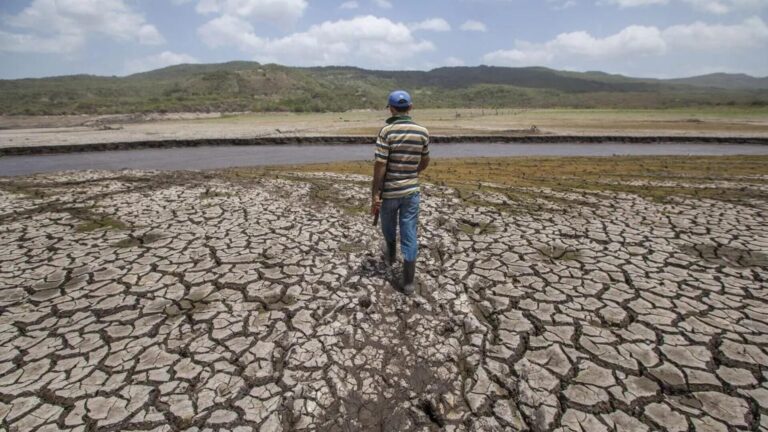
(FILE) The climatic disparity increases the likelihood of floods and landslides in densely populated urban areas, as well as a severe water crisis in rural regions dedicated to agriculture. Photo: Getty Images.
April 3, 2026 Hour: 7:06 pm
🔗 Comparte este artículo
Brazil’s National Center for Monitoring and Natural Disaster Alerts today issued a technical note warning of an imminent “thermal disaster” across the nation.
The National Center for Monitoring and Natural Disaster Alerts (Cemaden) on this April 3 released a report indicates a high probability that the El Niño phenomenon will establish itself in the Pacific Ocean in the coming months, drastically altering the climate of the South American giant.
Climatologist José Marengo, co-author of the report, alerted that the most evident consequence will be a sustained increase in temperatures, especially in the southeast and central-west regions of the country.
RELATED: Nuclear Weapons Would Have Devastating Climate Effects: Umaña
Heatwaves are expected to become more frequent and prolonged, potentially making 2026 one of the hottest years on record, surpassing even the figures from 2024. This thermal anomaly, driven by El Niño, poses significant challenges to the country’s environmental, social, and economic stability, demanding urgent preparedness from national and local authorities.
The ongoing global warming acts as an amplifier of El Niño’s effects, creating what specialists describe as a “silent disaster” due to its direct impact on public health. Beyond health risks, authorities fear a considerable loss in agricultural productivity and a critical increase in national energy consumption due to the intensive use of cooling systems.
In regions like the Amazonia, the combination of persistently high temperatures and low humidity significantly favors the propagation of large-scale forest fires, directly threatening its rich biodiversity and fragile local ecosystems. Although isolated episodes of extreme cold are not entirely ruled out, the dominant trend for the remainder of the year will be intense heat that will severely challenge the country’s infrastructure and the State’s response capacity.
Text reads: “The planet could have a strong or even “super” El Niño in 2026. Projections from the European Centre for Medium-Term Weather Forecasts (ECMWF) indicate a 98% chance of a moderate El Niño forming by August, 80% of it being strong and 22% of it reaching “super” status.
“El Niño” (when the warming of the Pacific Ocean exceeds approximately 2 °C above normal) would hit South America in various ways with extreme changes in rainfall, temperature, and natural disasters. The phenomenon occurs when the waters of the Pacific Ocean become at least 0.5 °C warmer than normal and usually occurs every 2 to 7 years. In Brazil, it often leads to warmer summers and less cold winters, as it makes it difficult for cold fronts to advance.”
The effects of this phenomenon will vary significantly across Brazil’s diverse geography, exacerbating risks of extreme drought in the north and northeast, while the south is predicted to experience torrential rains. This stark climatic disparity increases the likelihood of floods and landslides in densely populated urban areas, as well as a severe water crisis in rural regions dedicated to agriculture.
The comprehensive monitoring and alert system is crucial for informing adaptive strategies and protecting vulnerable populations from the anticipated environmental shifts. The immediate future for Brazil under the influence of El Niño demands proactive measures to safeguard its natural resources and its population from the impending thermal disaster.
Author: Laura V. Mor
Source: Agencies